


We use cookies to personalise content and ads, to provide social media features and to analyse our traffic. We also share information about your use of our site with our social media, advertising and analytics partners who may combine it with other information that you’ve provided to them or that they’ve collected from your use of their services.
Dr Adam White — Brain Health – Current Evidence and Strategies — Injury Rehab Network
The latest Injury Rehab Network event featured a highly important and thought-provoking presentation from Dr. Adam White of the Professional Footballers Association (PFA). Attended by sports rehabilitators and medical professionals, the session tackled one of the most pressing issues in modern sport: the link between football (soccer), repetitive head impacts, and long-term neurodegenerative diseases.
The online event took place on the evening of Monday 11th May with 240 practitioners in attendance. The recording is online here.
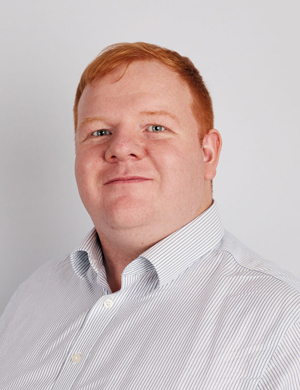
Dr Adam White – Director of Brain Health, Professional Footballers Association
Dr Adam J. White is an experienced leader in Sport and Health. He currently holds the position of Director of Brain Health at the Professional Footballers’ Association, the trade union for elite football players in England. Adam has been at the forefront of research and policy on sport and brain health for well over a decade, and he is currently responsible for guiding football’s holistic response to concussion, dementia, and other chronic brain health conditions, such as Chronic Traumatic Encephalopathy (CTE).
Adam co-founded of the Concussion Legacy Foundation UK; a not-for-profit organisation whose mission is to support athletes, Veterans, and all affected by concussions and CTE; achieve smarter sports and safer athletes through education and innovation; and to End CTE through prevention and research.
Adam continues to collaborate with the global leaders in the field of sports neuroscience. He has authored dozens of peer-reviewed research papers and an academic book, “Sport, Theory and Social Problems” which critically examines sport. He has an international reputation as a strong advocate for protecting athletes’ brain health.
Dr White represents the PFA, the union supporting professional players from the Premier League down to League Two, as well as the Women’s Super League (WSL) and WSL2. His daily focus is entirely on brain health—specifically managing the risks of Chronic Traumatic Encephalopathy (CTE) and other neurodegenerative conditions among past, present, and future professional footballers.
Brain Health – Current Evidence and Strategies
Beyond Concussion: The Jeff Astle Case
Dr. White began by distinguishing between acute concussions (which present immediate symptoms) and the long-term accumulation of repetitive head impacts. He anchored this in the tragic story of Jeff Astle, a legendary West Bromwich Albion striker who died at 59 following a battle with early-onset dementia.
Astle’s brain was initially described by a coroner as “the brain of a boxer.” A decade later, leading neuropathologist Dr. Willie Stewart re-examined the tissue and officially diagnosed Astle with CTE. Driven by the “Justice for Jeff” campaign, this landmark case forced the footballing authorities to wake up to the reality of industrial disease in the sport.
The Science: The FIELD Study and Positional Risk
Dr. White broke down the undeniable data, prominently featuring the FIELD study. This research compared 7,000 former Scottish professionals to 21,000 matched general population controls. The findings were stark:
- Footballers are 3.5 times more likely to die of neurodegenerative disease.
- Footballers are at 5 times higher risk of developing Alzheimer’s disease.
Crucially, the data ruled out lifestyle factors. Footballers had lower hazard ratios for hypertension, diabetes, smoking, and obesity. The risk was overwhelmingly linked to positional exposure to heading the ball. Goalkeepers (who suffer the most acute concussions) had the lowest risk of neurodegenerative disease, whereas defenders (who head the ball the most) had the highest risk.
The PFA’s Strategy for Prevention
Acknowledging that repetitive head impacts are a causal factor for CTE, the PFA and football authorities have implemented several key interventions:
- CTE Education: Helping players to know and understand the risks.
- Heading Guidelines: Professional players are now restricted to a maximum of 10 high-force headers per week in training.
- Grassroots Protection: Heading has been permanently phased out for children under 12, significantly reducing their lifetime years of exposure.
- Tactical Evolution: Educating coaches to question the value of heading. Statistics show that only 53% of ball possession is retained following a header in match play.
- Advanced Research & Compassionate Care: Funding biomarker research to diagnose CTE in living patients and improving support for former players currently living with dementia.
Dr. White summarized the ultimate goal for injury prevention in football with a clear mantra: “Less heading, less often, with less force, and later in life.”
Q&A Highlights
Dr. White answered several insightful questions from the audience regarding brain health management.
Q1 – Does neck strengthening or wearing protective headgear reduce the risk of CTE?
Answer – While neck strengthening may offer some very mixed benefits for acute concussion prevention, there is no evidence it prevents the brain trauma associated with repetitive impacts (CTE). Similarly, soft headgear or helmets protect against skull wounds and fractures, but they do not stop the brain from moving inside the skull and therefore offer no proven protection against long-term neurodegenerative disease.
Q2 – Are there any lifestyle interventions post-concussion to reduce the chances of dementia?
Answer – Yes. Dr. White advised that “what’s good for the heart is good for the head.” Managing modifiable risk factors throughout life—such as maintaining a good diet, getting proper sleep, exercising, staying socially active, and keeping blood pressure down—puts athletes in the best position possible to protect long-term brain health.
Q3 – How was the standard 21-23 day return-to-play timeline for concussions decided?
Answer – Dr. White admitted it’s not an exact science. It is a pragmatic balance struck by medical authorities to ensure players get adequate rest while not making the stand-down period so excessively long that it drives concussion reporting underground. He stressed the importance of progressive, symptom-free increases in activity, noting that players who rush back too soon are at a statistically higher risk of suffering secondary MSK injuries.
Q4 – How can sports rehabilitators help?
Answer – Dr. White praised medical practitioners as the frontline of player welfare. He encouraged them to continue having informal, proactive conversations with coaches to challenge the volume of heading in training and to prioritise the long-term health of athletes over short-term performance.
Further information and follow Dr Adam White
For more information about the PFAs work in relation to brain health, please see Brain Health in Football.
Presentation Recording
The recording of Dr White’s presentation is online here.
2026 Injury Rehab Network events
You can join us for our next Injury Rehab Network event on 3rd June at 3pm, where Simon Shepard, Chartered Physiotherapist will be discussing sports medicine in elite cricket.
Find out about and register your interest for all the Injury Rehab Network events with BASRaT planned for 2026 here.
Please enter your details into the form below, along with any questions or comments, and a member of our team will be happy to provide you with more information:
Get in Touch
- David Bartlett — Concussion: Advancing Management & Rehabilitation — Injury Rehab Network
- Sarah Perris — HerACLJourney — Injury Rehab Network
- Pitchside to Ringside: Essential First Aid Kits for Contact Sports
- Simon Shepard — The Challenges of Cricket — Injury Rehab Network
- Helena Walker — Working in Academy Rugby Union: The Highs, Lows & Everything in Between — Injury Rehab Network
- Dr Adam White — Brain Health – Current Evidence and Strategies — Injury Rehab Network
- Prof James Hull — Breathing to Win — Injury Rehab Network
- Mark Leather — Professional Football Medical Support Q&A — Injury Rehab Network
- Mike James — Rebooting Robot Rehab — Injury Rehab Network
- Mike Davison — Organisational Design Principles — Injury Rehab Network
- Professor John Ryan — Abdominal Injuries in Sport — Injury Rehab Network
- Dr Rebecca Robinson — Exercise, Medicine and Cancer — Injury Rehab Network
- Dr David White — Exercise Induced Leg Pain — Injury Rehab Network
- Professor Joideep Phadnis – Treatment and Management of Elbow Injuries – Injury Rehab Network
- 2026 Injury Rehab Network Events
- Professor Robert Galloway – Reducing Medical Errors – Injury Rehab Network
- Steven Corbett – Management and Treatment of Shoulder Injuries in Sport – Injury Rehab Network
- Ali Emery – Sport Rehab & Medical Provision in UK Ice Hockey – Injury Rehab Network
- Dr Josh Berkowitz – Haematology in Sports Medicine – Injury Rehab Network
- Dr John Rogers – Bone Stress Injuries – Injury Rehab Network
- Dr Jon Houghton – Tendon Injuries – Injury Rehab Network
- Dr Andrew Harrison – Fracture Management – Injury Rehab Network
- Nick Metcalfe – Hamstring injuries: Lumbar spine and Pelvis considerations – Injury Rehab Network
- Nick Worth – The Medico-Legal Field in Elite Football/ Sports – Injury Rehab Network
- Dr Nicola Keay – Health and Hormones in the Master’s Athlete Age Group – Injury Rehab Network
- Female Athlete Health – Injury Rehab Network
- Dr Geoff Davies – Behind the Scenes with the WRU and British & Irish Lions Team Doctor – Injury Rehab Network
- Douglas Hammond – Facial Injuries in Sport – Injury rehab Network
- 2025 Injury Rehab Network Events
- Claire Robertson – Patellofemoral Update – Injury Rehab Network
- Colin Lewin – Soft Skills in Professional Sport – Injury Rehab Network
- Des Ryan – Youth Athletic Development – Injury Rehab Network
- Dr Carly McKay – Injury prevention in rugby and football: are we making any progress? – Injury Rehab Network
- Micki Cuppett – Clinical Pearls to Enhance Your Medical Examination Skills – Injury Rehab Network
- Dr. Ian Beasley – Ex-footballers Healthcare – Injury Rehab Network
- Siobhan O’Donovan — Busting Booby Traps — Injury Rehab Network
- Angela Jackson — Integrating Neurocognitive Rehab in to Return to Sport Protocols — Injury Rehab Network
- Dr Andrew Shafik — Working as a Doctor in English Football — Injury Rehab Network
- Dr Nicola Keay — Relative Energy Deficiency in Sport (REDs) — Injury Rehab Network
- Ian Hunt – Modern Management of Chest, Rib and Sternal Injuries in the Elite Athlete – Injury Rehab Network
- Dr Amit Mistry – Mental Health Challenges in Elite Sport – Injury Rehab Network
- Head Injuries and Sport
- Gerard Greene – Male Athletic Pelvic Health – Injury Rehab Network
- Geraint Griffiths – The Prevention of and Rehabilitation from Visually Related Sporting Morbidity – Injury Rehab Network
- Professor David Lloyd – Surgery for Groin Pain – The Lloyd Release Procedure – Injury Rehab Network Event
- 2024 Injury Rehab Network Events
- Jonathan Bell FRCS (ORTH) – Meniscus Tears and other Complex Injuries of the Knee – Injury Rehab Network
- Professor Rowena Johnson – Imaging of Groin and Hip Pain in Athletes – Injury Rehab Network
- Prehab & Rehab in Elite/ Professional Football – Injury Rehab Network Event
- Steve Phillips – Calf Muscle Injuries – Injury Rehab Network Event
- Grant Downie OBE – Maximising your Impact in the VUCA World of Professional Football – Injury Rehab Network Event
- Manchester FA and Sterosport Partnership Aims for Manchester to be the Safest Place to Play
- Dr Marwan Al-Dawoud – Concussion in Rugby – Injury Rehab Network Event
- How to Strap Your Ankle
- John Dickinson – Optimising Care for Asthma and Disordered Breathing Patterns in Athletes – Injury Rehab Network Event
- How to Apply Sports Tape to Your Knee
- Dr Wayne Diesel – My Long Walk to Retirement – Injury Rehab Network Event
- Rugby Union and Rugby League Mandatory Medical Equipment : 2023 Update and What to Buy
- Leanne Simoncelli – Optimising and Individualising ACLR Rehabilitation – Injury Rehab Network Event
- Lessons from Working in Elite Football – Injury Rehab Network February 2023
- The Most Common Hockey Injuries and How to Prevent Them
- How to Treat Common Hockey Injuries
- Andy Williams – ACL Reconstruction in Professional Athletes – A Surgeon’s Perspective – Injury Rehab Network Event
- Steve Simbler MRPharm.S – Medicines Management in Sport – Injury Rehab Network Event
- Hockey and Ice Hockey Injury Statistics
- Essential Hockey Safety Equipment
- How to Perform a Risk Assessment for Sports: The Ultimate Guide (Including Examples and Template)
- How to Treat Common Cycling Injuries
- Preventing Common Cycling Injuries
- Professor Iain Hutchison – Sporting Facial Injuries and Treatment Delivering Speedy Recovery – Injury Rehab Network Event
- Hockey First Aid Kit Contents List
- Hockey First Aid Kits
- How to Treat Common Netball Injuries
- Gary Bloom – Why do Players Suddenly Experience a Catastrophic Loss of Form – Injury Rehab Network Event
- Dr Monna Arvinen-Barrow – Rehabilitation of the Biopsychosocial Athlete – Injury Rehab Network Event
- How Can Common Netball Injuries be Prevented?
- First Aid Qualifications for Netball
- Netball First Aid Kits
- Netball First Aid Kit Contents List
- 2023 Injury Rehab Network Events
- Essential Safety Equipment for Cricketers
- Fiona Rosamond – Podiatry in Football – Injury Rehab Network Event
- Essential First Aid Skills for Cricket Coaches
- Common Cricket Injuries and How to Avoid Them
- Dr Carl Todd – Osteopathy in Football – Injury Rehab Network Event
- Dr Andrew Newton – Grass Roots Paediatric Sports Medical Issues – Injury Rehab Network
- Tom Parry – Nutrition in Premier League Football – Injury Rehab Network Event
- Cricket First Aid Kit Contents List
- A Guide to Cricket First Aid Kits
- Treatment and Prevention of Cauliflower Ear
- How to Treat Common Rugby Injuries
- Rugby First Aid Courses: Everything you Need to Know
- The Definitive Rugby First Aid Kit Contents List
- Taping Your Wrists for Football: Why and How
- Effective Prevention of Injuries in Football
- How to Treat Common Football Injuries
- Rugby First Aid Kits: Complete Guidance for Rugby Union and Rugby League
- Knee Injuries in Professional Football and Elite Sport – Injury Rehab Network Event
- Steve Kemp – Lateral Ankle Injuries in Professional Football – Injury Rehab Network Event
- Michael Blackie BDS – Oral Health Impact on Performance in Elite Sport
- The Best Football First Aid Courses Recommended by Experts – Courses your coaches should be taking and why
- Football First Aid Kit Contents List – What should yours contain to keep your football players safe?
- Boxing First Aid Kit Contents List
- Preventing and Treating Shin Splints
- 8 Essential Safety Tips for Boxing
- How to Apply Boxing Hand and Wrist Wraps
- Essential Boxing Safety Equipment
- How to Spot and Treat an ACL Tear
- How to Treat a Pulled Hamstring
- How to Treat a Groin Strain
- How to Treat a Sprained Ankle
- Essential Parts of Any Sports First Aid Kit
- Recommended First Aid Courses for Sport
- Essential First Aid Skills for Cyclists
- Cycling First Aid Kit Contents List
- Cycling First Aid Kits – A Complete Guide
- Mike Healy – Pitchside Care CPD – Injury Rehab Network Event
- David Fevre – Pitch Side Injuries: No Time to be Injured – Injury Rehab Network Event
- Diane Ryding – Physiotherapy in an Elite Football Academy: Beyond injuries – Injury Rehab Network Event
- The Strain of Christmas – A Busy Time for Physio’s
- Dr Imtiaz Ahmad: Football Club Doctor – An Evolving Role – Injury Rehab Network Event
- Diane Ryding & David Fevre at the Injury Rehab Network
- GB Maxibasketball and Sterosport Partnership Announcement
- Sterosport and FMPA Partnership Announcement
- 2022 Injury Rehab Network Events
- Dr Ian Horsley, Team GB Deputy Chief Physio, at the Injury Rehab Network
- Sign Up: Sports Taping and Kinesiology Taping Online Courses
- Dr Barry Monk – Sunshine and Skin Cancer – Injury Rehab Network Event
- Steve Miller – Calf Injury Rehabilitation – Injury Rehab Network Event
- Angela Jackson – Managing The Overloaded Younger Athlete – Injury Rehab Network Event
- Shoulder Injuries in Sport – Expert Q&A Injury Rehab Network Event
- Professor Bill Ribbans – The Athletic Ankle. When do Lax Ligaments Need Surgery? – Injury Rehab Network
- Diane Ryding – Tackling Paediatric Injuries – Injury Rehab Network
- What are the most common sports injuries? Top Ten (Part 2)
- What are the most common sports injuries? Top Ten (Part 1)
- The Athletes Shoulder – The Surgeons Perspective – Injury Rehab Network Event
- Dr Claire Minshull – Getting Efficacious About Rehab and Conditioning – Injury Rehab Network Event
- How to Conduct a Risk Assessment for the Return to Sport
- Return to sport: A complete guide on what to expect
- Types of Sports Tape and their Uses
- Gary Lewin, Expert Football Physiotherapist – Rehabilitation on the Road in Elite Sport – Injury Rehab Network Event
- Josh Quigley at the Injury Rehab Network
- 2021 Injury Rehab Network Events
- The Importance of the Partnership Between a Manager and a Physio
- Paul Lubas – The Pitch-Side Paramedic
- Returning to Work as a Sports Therapist After Coronavirus
- Hyde United FC and Sterosport Partnership Announcement
- Chorley FC and Sterosport Partnership Announcement
- British American Football and Sterosport Partnership Announcement
- Dave Fevre – Expert Chartered Sports Physiotherapist – Injury Rehab Network Event
- Does Kinesiology Tape Work?
- Here To Help When You Return To Sport
- Mike James at the Injury Rehab Network
- Hannah Dines Shares Details About Her Paralympic Cycling Programme
- Hannah Dines – Hills Thrills and No Chills on the Road to Tokyo 2020
- Dave Fevre at the Injury Rehab Network
- Hannah Dines – When an Athlete Switches Off
- Hannah Dines – Life Balance – How Friends Are Key to Elite Success
- University of Salford Sports Taping Courses
- Hannah Dines – Love Island, Laundry, Admin and Repeat – A Day in the Life of a Paralympian
- Injured? Here’s How Nutrition Can Help
- Sterosport – A New Approach to Sports Injuries
- Hannah Dines – Terminating Injury
- Injury Rehab Network NW Gets off to a Flying Start