


2026 Injury Rehab Network Events

We are excited to confirm the schedule of Injury Rehab Network events in 2026 in partnership with BASRaT. The events will include talks from exceptional expert guest speakers with a combination of online and face to face events.
Catch up on previous events:
- 2025 Injury Rehab Network Events
- 2024 Injury Rehab Network Events
- 2023 Injury Rehab Network Events
- 2022 Injury Rehab Network Events
About the Injury Rehab Network
Sterosport is the sports division of Steroplast Healthcare dedicated to supporting sports medicine practitioners and sports teams, facilities, and governing bodies. In 2019, Sterosport established the Injury Rehab Network as a means for sports injury professionals to network, share ideas and collaborate. From 2019 to 2025 over 70 events have received more than 12,000 attendances from sports rehabilitation practitioners.
The events provide a fantastic opportunity for Continuous Professional Development (CPD) for therapists, physios, rehabilitators, and other sports professionals to stay up to date with the latest thinking, developments, and evidence in the sector.
The format of each event is a keynote speech, followed by question and answers. The Injury Rehab Network organisers work hard to source leaders in the field of sports medicine.
Be the First to Know About the Next Event of the Injury Rehab Network
Register Your Interest
Injury rehab network interest form
2026 Event Details

13th January, 1.30 – 2.30pm, online. Dr Rebecca Robinson – Sport and Exercise Medicine Consultant
Dr Rebecca Robinson is a Consultant in Sport and Exercise Medicine (SEM) who specialises in the health of athletes at all levels, from junior to international, as well as the physical health needs of individuals with musculoskeletal injuries and long-term health conditions. This also includes looking after people before surgery and during treatment for medical conditions such as cancer.
Rebecca has a strong interest in developing care to support female athletes at all life stages and in addressing the medical issues associated with relative energy deficiency syndrome (REDS), including bone stress injury assessment and recovery.
Dr Robinson has specialised in sport and exercise medicine since 2016 and works with sports teams (including GB Boxing, LTA, athletics), as well as the NHS.
The treatments Rebecca provides include managing physical injuries, from physical assessment to scan referral and rehabilitation medical assessment of physical health, cardiorespiratory fitness and rehabilitation, including in cases of muscle loss and osteoporosis, underlying conditions that limit health and performance (e.g. fatigue, energy deficiency, breathing disorders in sport, exercise with and after cancer).
Rebecca’s presentation will explore the relationship between exercise and cancer.
Click here to read the post event blog and watch the recording

26th January, 7pm – 8pm , online. Professor John Ryan – Consultant in Emergency Medicine, University College Dublin Clinical Professor, Leinster Rugby Team Doctor
Professor John Ryan is a Consultant in Emergency Medicine in South East Dublin, based at St Vincent’s University Hospital. John has a particular interest in Sports & Exercise Medicine and is a Founding Fellow of the Faculty of Sports and Exercise Medicine.
John has been the Team Doctor to Leinster Rugby since 2007 and serves as the Team Doctor for the Irish under-18 schools’ rugby team. He is a Match Day doctor and Immediate Care doctor for Ireland Rugby, URC and EPCR. John also maintains involvement with grassroots rugby and contributes as Team Doctor for St Michael’s College school’s cup teams.
Professor Ryan is Vice-Dean for Advanced Speciality Training in Emergency Medicine in Ireland. He is an Emergency Medicine trainer and an examiner for the Royal College of Emergency Medicine.
John holds a public-only Concussion Clinic for patients who have sustained a sports and exercise-related concussion injury.
Professor Ryan will discuss abdominal injuries in sport.
Click here to read the post event blog and watch the recording

26th February, 7pm – 8pm, online. Mike Davison MBA, MA, BA – Advisor, The Nxt Level Group
Mike has been part of the international Sports Medicine and Performance community for over 25 years. A former Strategy & Business Architecture Consultant with Accenture, his professional path diverted into the Sports and Health industries whilst undertaking his MBA at Oxford University.
Since 2001, he has actively worked to professionalise and raise standards within Performance and Medical departments in sport globally, through the recruitment of diverse talent, building global knowledge networks, and working practically with organisations on their people, systems, and processes. His passion is to connect people and implement world-leading ideas.
He currently works with Chelsea FC, Houston Texans, Portland Fire and Phoenix Suns. Other Teams that he has worked with include the Brooklyn Nets, San Antonio Spurs, OKC Thunder, Liverpool FC, The Football Association, Brighton & Hove Albion FC, Brentford FC, Aston Villa FC, Isokinetic Medical Group (FIFA Medical Centre of Excellence), NY Liberty, NJ Devils, and Red Bull Performance. He is also academically published in the field of injury epidemiology and injury prevention. He serves as a Board Member of the Football Research Group, which conducts injury and performance analysis studies for UEFA.
Mike’s presentation, “Organisational Design Principles for Performance & Medical Department,” will consider:
- Review of the current landscape of professional football – injury rates, ownership, and coaching expectations
- Review of the current research associated with the significance of communication and leadership style, and player availability in professional football
- Review of the current landscape of size and scope of performance & medical departments
- Original research on the organisational design of these departments
Click here to read the post event blog and watch the recording

18th March, 7pm – 8pm, online. Mike James MSc MCSP – The Endurance Physio
Mike is an experienced physiotherapist, educator and speaker with a background spanning the military and elite sport. A former Military Physical Training Instructor and rehabilitation specialist, he holds master’s degrees in Physiotherapy and Sports Medicine, alongside undergraduate qualifications in Sports Rehabilitation, Strength and Conditioning, and Sports Science.
Widely known as The Endurance Physio, Mike is a regular contributor to national publications and a speaker at conferences, professional events and universities across the UK and internationally. He also designs and delivers specialist workshops and CPD for clinicians, coaches and athletes. Over more than 20 years, he has supported practitioners and performers from grassroots to world-class level.
His main interests include athlete monitoring, exercise prescription, and behaviour change, with a focus on helping therapists build effective, engaging rehabilitation plans. He lectures full-time on the Physiotherapy programme at the University of South Wales, while running a busy clinical and coaching practice.
Rebooting Robot Rehab: Reframing Exercise Adherence in MSK Rehabilitation
Exercise rehabilitation is now central to MSK care, but increasing complexity in prescription and delivery has left many therapists and patients struggling to achieve consistent outcomes. At the same time, the rapid growth of courses and content has often made simple principles harder to apply in practice.
This session argues for a return to the fundamentals of exercise prescription. Mike will highlight common mistakes, outline practical ways to simplify decision-making, and examine how therapists can take greater responsibility for rehabilitation outcomes rather than attributing failure to patient compliance.
Click here to read the post event blog and watch the recording

15th April, 7pm – 8pm, online. Mark Leather, Physiotherapist
Mark Leather qualified as a physiotherapist in 1983, spending four years in the NHS before transitioning into a career in professional football. He has worked in the Premier League for over a decade, including six years as Head Physiotherapist at Liverpool FC, and more than 20 years as Head Physiotherapist at various clubs, such as Sunderland, Preston North End, Burnley, and Brighton. More recently, he served as Head of Performance and Medicine at Bolton Wanderers.
Beyond football, Mark has served as Head Physiotherapist at Wigan Warriors RLFC and has worked at the Commonwealth Games (1986) and the World University Games (2007). He was a Physiotherapist to the England Futsal Team for ten years, lectured for the Football Association for over 20 years, and has acted as a Consultant Physiotherapist for IPRS.
Following a successful period at Edge Hill University, Mark joined the University of Central Lancashire as a Senior Lecturer and Course Leader for the MSc Football Science and Rehabilitation and the MSc Football Medical Leadership & Performance programmes, both of which are delivered online. He is Director of Mark Leather Physiotherapy Ltd and a guest columnist for the Daily Mail and The Times on sports injury matters.
After semi-retiring in September 2024, he continued in his university role until June 2025 and now holds the position of Honorary Senior Lecturer at the University of Lancashire. He is currently a Subject Matter Expert at Setanta College, Dublin, and an External Examiner at St John’s York University and the University of Essex.
Session format: Q&A
Mark will share insights from his career in elite sport, along with reflections on how professional football and its medical support have evolved over time.
Click here to read the post event blog and watch the recording

27th April, 7pm – 8pm, online. Prof (Hon.) James Hull PhD FRCP FACSM, Respiratory Physician
Prof (Hon.) James Hull PhD FRCP FACSM is a respiratory physician at the Royal Brompton Hospital and leads a sports pulmonology service at the Institute of Sport, Exercise and Health (ISEH), UCL, London. His clinical and research interests are centred on helping athletic individuals overcome sports-related respiratory issues. He is an advisor to the International Olympic Committee, UK Sports Institute and Team GB and several elite sporting organisations, include EF Pro cycling.
Breathing to win: James’s presentation will consider respiratory problems in sport and help available for athletic individuals to overcome these problems.
Click here to read the post event blog and watch the recording

11th May, 7pm – 8pm, online. Dr Adam White – Director of Brain Health, Professional Footballers Association
Dr Adam J. White is an experienced leader in Sport and Health. He currently holds the position of Director of Brain Health and the Professional Footballers’ Association, the trade union for elite football players in England. Adam has been at the forefront of research and policy on sport and brain health for well over a decade, and he is currently responsible for guiding football’s holistic response to concussion, dementia, and other chronic brain health conditions, such as Chronic Traumatic Encephalopathy (CTE).
Adam co-founded of the Concussion Legacy Foundation UK; a not-for-profit organisation whose mission is to support athletes, Veterans, and all affected by concussions and CTE; achieve smarter sports and safer athletes through education and innovation; and to End CTE through prevention and research.
Adam continues to collaborate with the global leaders in the field of sports neuroscience. He has authored dozens of peer-reviewed research papers and an academic book, “Sport, Theory and Social Problems,” which critically examines sport. He has an international reputation as a strong advocate for protecting athletes’ brain health.
Brain Health – Current Evidence and Strategies
Brain health is a growing issue in sport, with increasing public and political concern associated with both the acute management of concussion and the potential long-term outcomes of repetitive non-clinical head impacts. Football has undertaken to address this issue head-on with a comprehensive pan-football brain health strategy that focuses on addressing this issue at all levels of the game. Adam will outline both the current evidence associated with the issue and the methods currently being deployed to address it.
Click here to read the post event blog and watch the recording
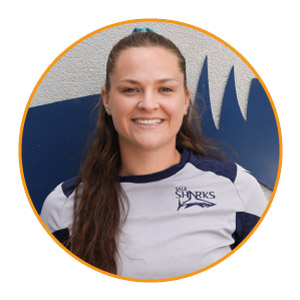
10th June, 3pm – 4pm, online. Helena Walker, Sport Rehabilitator, Sale Sharks
Helena graduated with a degree in BSc Sport Rehabilitation in 2021, and since she has gradually worked her way into the Academy Rugby world. Since being qualified as a Graduate Sport Rehabilitator, Helena has worked in both rugby league and union, semi-professional football, dance, basketball and private clinic work. Helena now works full-time with Sale Sharks Academy, leading the program for the u16s and 17s and assisting with the u18s. Helena completed her second season with the club in May 2026, using the time to develop her own processes, what works best for players at this level and what needs adapting from working with adults.
Working in Academy Rugby Union: The Highs, Lows & Everything in Between
In this presentation Helena will explain some of the limitations associated with working with academy rugby players and solutions to combat them. This session aims to be educational for practitioners and to provide insight into new ways of working.
Click here to read the post event blog and watch the recording

24th June, 7pm – 8pm, online. Professor Jim Khan (PhD, FCPS, FRCS), Professor of Surgery, University of Portsmouth
Professor Jim Khan is Professor of Surgery at the University of Portsmouth and a Consultant Colorectal and Robotic Surgeon at Portsmouth Hospitals University NHS Trust. He is Clinical Lead for Robotic Colorectal Surgery and lead for colorectal cancer services at Queen Alexandra Hospital, Portsmouth.
He has performed over 2,500 minimally invasive colorectal procedures, including more than 1,000 robotic operations, and is recognised in the UK for his work in advanced robotic colorectal surgery. He is an FRCS examiner, a national and European trainer in robotic surgery, and holds advisory and committee roles across several surgical and oncology bodies in the UK and internationally. He is the Principal Investigator on multiple national and international clinical trials.
Appendicitis and the Modern Athlete: Fast Recovery in the Era of Robotic Surgery
This session will outline what athletes and performance teams need to know about appendicitis and current surgical options. Professor Khan will compare robotic, laparoscopic, and open surgery in relation to pain, healing, and the speed of return to training and competition. The talk will also cover expected recovery timelines, protection of core stability during rehabilitation, and key factors that influence safe return to high-intensity sport.
Click here to watch the recording of Professor Khan’s presentation

8th July, 5pm – 6pm, online. Simon Shepard, Chartered Physiotherapist
Simon Shepard is a Chartered Physiotherapist who heads up the medical department at Lord’s Cricket Ground. He has been involved in the sport for over three decades and has additionally worked in basketball and badminton. He has an interest in how technology can be integrated into clinical practice to facilitate better evaluation, informed decision-making, and ultimately, better care.
The Challenges of Cricket
The days of cricket being a sedate game, played at a leisurely pace, are long gone. From the physical demands to the challenges of consistent travel, the development of fast and furious formats, and the emotional demands of success and failure, cricket is no longer a stroll in the park. This session will explore the role of medical support staff, the injuries they must deal with (and ideally prevent), and the nuances related to the sport.
Click here to read the post event blog and watch the recording

2nd September 7pm – 8pm, online. Sarah Perris, Founder of HerACLJourney
Sarah Perris is the founder of HerACLJourney, a Community Interest Company building the world’s first free resource for all women and girls recovering from ACL injuries — from prevention through surgery, rehab and return to sport. She was inspired by her rugby-playing and coaching twin daughters, Georgie and India, who have had three major ACL injuries between them.
Sarah is a corporate communications strategist with over 20 years of senior leadership experience at global blue-chip companies, including a decade at Ford Motor Company and five years as Worldwide Communications Director for Bentley Motors. She now runs her own Strategic Communications consultancy, Perris-Myatt, advising blue-chip, public sector and charity organisations on brand, reputation and crisis management. A Northern Power Women’s ‘Power List’ honouree and an EDI champion across business and sport, she works on HerACLJourney unpaid, supported by more than 150 clinicians, researchers and athletes.
Sarah will be joined by her daughters, India, Women’s Talent Pathway Manager at Sale Sharks Women, and Georgie, Sale Sharks Women Captain and USA Eagles Vice-Captain, who will share their ACL journeys.
HerACLJourney: A global resource for the two million+ women and girls who suffer ACL injuries — every year
Around two million women and girls suffer an ACL injury every year, and they are two to eight times more likely to do so than men. When Sarah Perris’s twin daughters suffered three ACL injuries between them, she found almost nothing online for them — and nothing at all for her as their mother. Currently, there is no single source to help women and girls and their extended teams (family, physios, S&Cs, coaches, etc.) to navigate an ACL injury — practically and emotionally. HerACLJourney exists to change that.
In this session, Sarah will introduce HerACLJourney: a free global resource combining expert guidance, practical hints and tips, real recovery stories and mental health support, shaped by more than 150 contributing clinicians, researchers, athletes and their families. She will share what injured women, girls and their families say is missing from the care they receive, what that means for those working in rehab, and how the injury rehab community can get involved before the platform launches in 2027.
Click here to read the post event blog and watch the recording
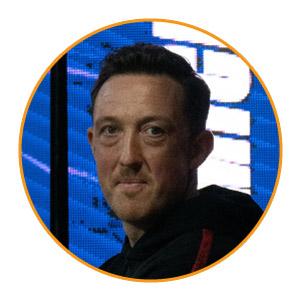
21st September 7pm – 8pm, online. David Bartlett, Physiotherapist, ISEH
David Bartlett is a physiotherapist specialising in sports medicine and concussion management. He is part of the Concussion Clinic at the Institute of Sport, Exercise and Health (ISEH) in London, where he works at the intersection of research, clinical practice, and athlete care.
Alongside his clinical role, David is Lead Physiotherapist with Welsh Fire in The Hundred, providing player support in elite cricket. His work spans acute injury management, rehabilitation, and performance optimisation, with a particular emphasis on brain health and concussion care in high-performance sport.
David has extensive experience supporting athletes across professional cricket, football, and other elite environments. He is committed to advancing evidence-based approaches to concussion assessment and recovery, bridging the gap between clinical science and practical application in sport.
David’s presentation Concussion: Advancing Management & Rehabilitation will consider the latest evidence based approaches for the management and rehabilitation of concussion in sport.
Click here to read the post event blog and watch the recording

12th October 7pm – 8pm, online. Dr Saul Konviser BDS MSc BSc
Dr Saul Konviser BDS MSc BSc is Co-Founder, Partner, and Sports Dentist at Centennial Park Dental. He holds a degree in Physiology & Pharmacology from UWE Bristol and a Master’s in International Health Policy from the London School of Economics, and qualified in Dentistry at King’s College London, training initially within the NHS before moving into private practice.
Saul has a strong academic and clinical focus on sports dentistry and is a published researcher in the field, with work on the oral health of professional academy footballers appearing in the British Journal of Sports Medicine. He works closely with professional and amateur athletes and sports organisations on the links between oral health, performance and overall wellbeing, including dental trauma assessment and treatment, and injury prevention. He is also a Trustee of the Dental Wellness Trust charity, which delivers supervised toothbrushing programmes to over 50,000 children in schools across England, South Africa and Kenya.
Dr Konviser’s presentation Oral Health in Sport: An Integrated Approach to Athlete Wellbeing will consider the latest evidence based approaches for the management or oral health in sport.
Click here to read the post event blog and watch the recording
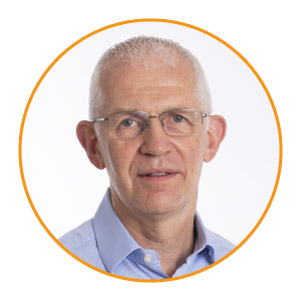
18th November, 7-8pm, online. Trevor Prior, Consultant Podiatric Surgeon and Director at Premier Podiatry
Trevor Prior qualified in 1983 and, since that time, has worked in both the private and public sectors. He obtained a teaching qualification in 1985 before obtaining a postgraduate degree in Podiatry in 1989. He obtained his fellowship in Podiatric Surgery in 1993, and in 1994, he established the Podiatric Surgery service in City & Hackney, where he worked as a Consultant Podiatric Surgeon at Homerton University Hospital and was clinical lead for the Department of Podiatric Medicine & Surgery.
He works in private practice and is Director of Premier Podiatry Limited, a Senior Clinical Lecturer at Queen Mary University of London and an honorary Consultant Podiatric Surgeon with Barts Health NHS Trust.
His particular areas of interest are foot surgery, sports injuries, biomechanics/gait analysis, orthoses and diabetic foot complications, lecturing both nationally and internationally. He has worked extensively with elite and professional sportsmen and women in a wide range of disciplines, including football, rugby, cricket, athletics, hockey, and badminton. He is a director of P2L, a company specialising in bespoke performance footwear, of Run3D, a company providing advanced 3D gait analysis and Vimazi UK, providing individually paced running shoes. He was an elected member of the council of the Society of Chiropodists & Podiatrists and past Dean of the Faculty of Podiatric Surgery.
He has been the UK representative on the Vasyli Think Tank and the Vionic Innovation lab, involved in the development of Orthoses and advised Salomon and Vimazi running shoe companies. He has reviewed for Gait & Posture, Clinical Biomechanics, JAPMA, The Foot and The Journal of Foot and Ankle Research.
Trevor will discuss Exercise-Induced Leg Pain (EILP) and the evidence base for its management. Trevor’s presentation will include some advanced bio of EILP cases.


Related Insights
 Sport
Sport
Dr Saul Konviser — Oral Health in Sport: An Integrated Approach to Athlete Wellbeing — Injury Rehab Network
The latest Injury Rehab Network event, delivered by BASRaT and Sterosport on Monday, 12 October...
 Sport
Sport
David Bartlett — Concussion: Advancing Management & Rehabilitation — Injury Rehab Network
The latest Injury Rehab Network event, delivered in partnership by Sterosport and BASRaT, featured a...
 Sport
Sport
Sarah Perris — HerACLJourney — Injury Rehab Network
On Wednesday, 2 September, the Injury Rehab Network welcomed Sarah Perris, Founder of HerACLJourney, alongside...