


We use cookies to personalise content and ads, to provide social media features and to analyse our traffic. We also share information about your use of our site with our social media, advertising and analytics partners who may combine it with other information that you’ve provided to them or that they’ve collected from your use of their services.
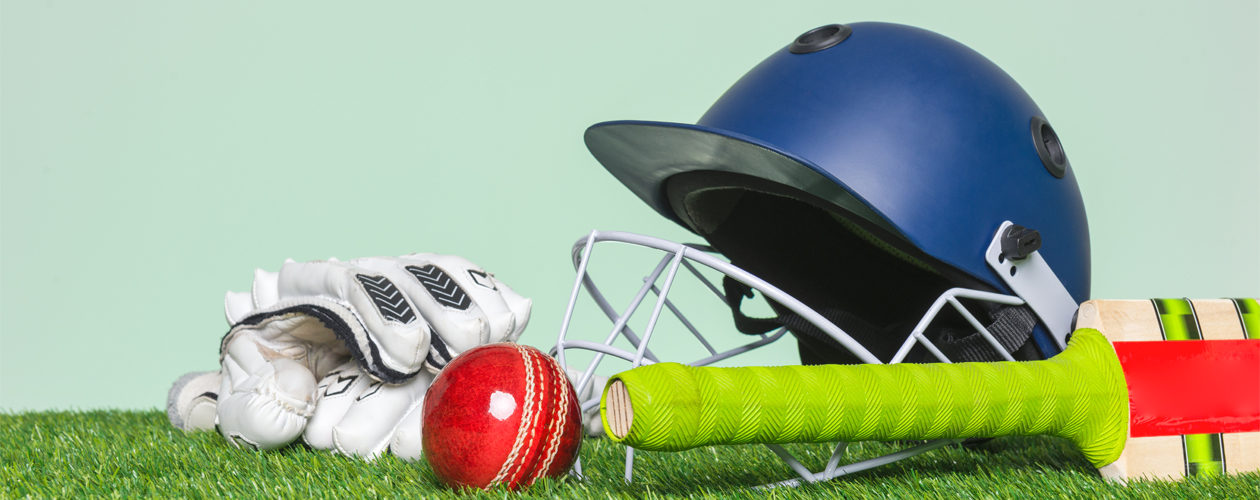
Essential Safety Equipment for Cricketers
As with any sport, the game of cricket comes with its hazards and can result in minor to severe injuries whether played in the park between friends or for a high-pressure professional match. To ensure optimal cricket safety, you must have a well-stocked cricket first aid kit with a full selection of the correct first aid equipment on hand, and cricket coaches should have a good knowledge of first aid skills and know how to prevent and treat cricket injuries.
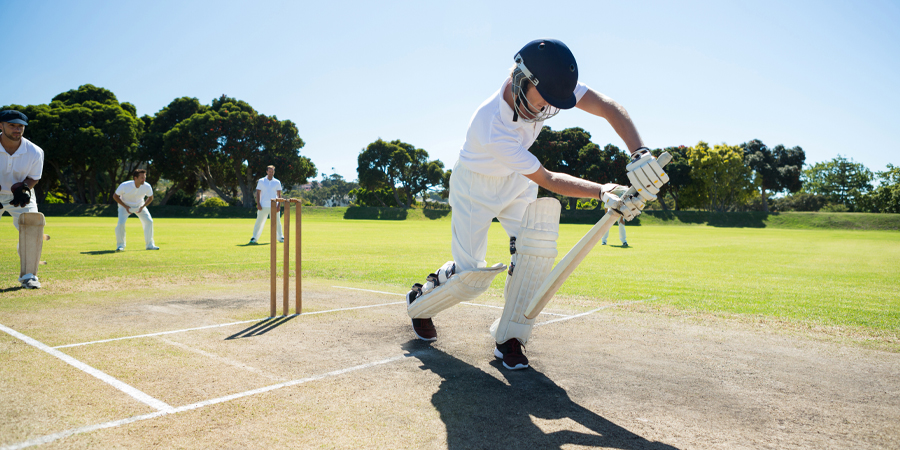
On top of this, having the right cricket safety equipment in use throughout a game or training match will go a long way in reducing the risk of severe injury. We go through all the essential cricket safety gear in a comprehensive cricket safety equipment list so you can keep yourself and your team safe while playing a great game.
The Definitive Cricket Safety Equipment List
To ensure players’ safety, cricket coaches and clubs should ensure all teammates have access to high-quality, well-fitting cricket safety gear to protect them from injury while training and playing. If you’re a cricketer or cricket fan, you’ll probably have seen most of the following pieces of cricket safety equipment in action.
Cricket Helmet (with a visor and grille)
Cricket helmets are an essential piece of cricket safety equipment that could save a life.
At an international level, cricket helmet safety falls under legislation to ensure they are compliant with British Standard BS7928:2013 and meet the requirements set by the International Cricket Council (ICC). The England and Wales Cricket Board (ECB) also requires that all cricket helmets are compliant with British Standards.
Since 2016, all first-class cricket games in England require all batsmen, wicket-keepers and fielders closer than 8 yards from the wicket to wear helmets. This is mandatory even when facing medium-pace and spin bowling and is considered essential cricket batsman safety equipment in particular.
For cricket safety at any level, cricket helmets should always be worn by wicket-keepers, batsmen and bowlers, as well as fielders playing close to the wicket to protect their heads from injury. Being struck directly with a cricket ball bowled at full speed presents a major risk of severe injury ranging from a concussion and losing consciousness, to impaired vision, broken bones, and brain damage.
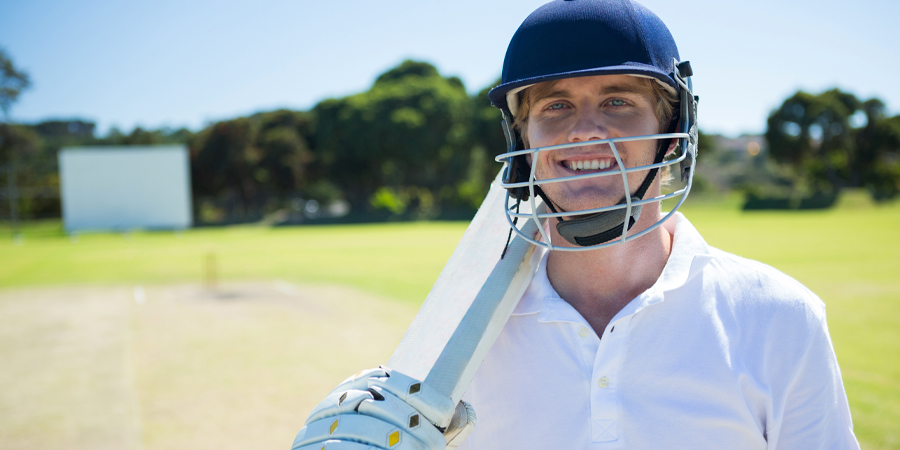
Most cricketers at every level now wear a helmet while batting, and all under 18 players must wear one as standard to ensure cricket helmet safety for all minors.
Most specialist cricket suppliers only stock BS-compliant helmets that have passed required safety tests. Some important things to consider when choosing your cricket helmet are:
- Is it comfortable?
- Does it fit well?
- Does it stay stable when you’re running?
- Does it have a kite mark to prove it’s compliant with British Standards?
TIP: For optimal cricket helmet safety, most helmets are designed to be adjustable to ensure the best fit. For improved protection, adjust the helmet settings to position the gap between the peak and grille over the face to be narrower. This will prevent cricket balls from passing under the visor whilst still allowing good visibility for the cricketer.
Pads or Guards
Legs
Thigh and shin guards are popular cricket safety equipment for leg protection, forming a protective padded layer between the cricket ball and players’ bodies. The two batters and the wicket-keeper usually wear leg guards. Fielders who are fielding in close proximity to the batters may wear shin guards under their trousers, too.
Shin pads can vary depending on the role of the player using them. Wicket-keeper’s pads fit slightly different to batters’ shin pads due to the position they stand in. Both types are essential pieces of cricket safety gear to protect the shin bone from potentially bone-shattering impact from the ball.
Thigh pads, when worn on the inside of your trousers can prevent serious bruising on your upper leg muscles if hit by the ball. The size and fit of your leg pads, thigh pads in particular, can restrict movement and become a burden when running. They are also less effective if you secure the protective padding incorrectly.
TIP: When choosing your leg guard size, ensure that your knee is lined up smoothly and with the shin guard and that the thigh guard sits over the middle of your knee. Check that your thigh guard isn’t getting in the way of your hands when you stand in batting position, too.
Arms
Arm and elbows pads are less popular among cricketers but can be an effective piece of cricket safety gear for bowlers who need to protect their arms.
Some batters also wear elbow guards to protect their bodies. Others choose not to use them at all since they reduce mobility.

Chest
More serious, high-level cricket players wear chest guards to protect their ribs and upper abdomen. They are a highly protective piece of cricket safety equipment that’s well worth considering if players face fast bowling regularly, shielding delicate internal organs from harmful impact.
Gloves
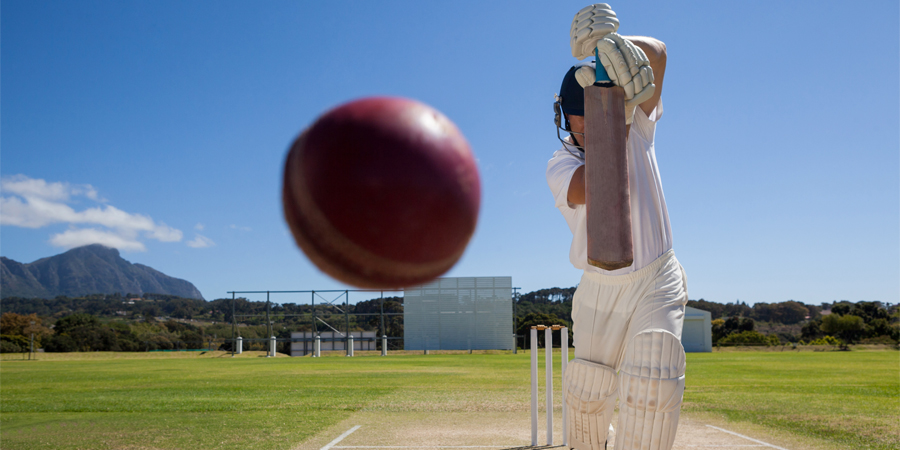
Certain team players are permitted to wear gloves during a cricket match, such as the batter and wicket-keeper. Fielders are not permitted to wear gloves as they could give them the advantage of a catching aid during play. Batters should wear protective gloves thickly padded above the fingers and on the thumb of the hand to protect against impact from the ball. A good fit in a pair of gloves is essential, and players can choose between right-handed and left-handed options. The looser the fit of your gloves, the less protection you’ll get from this important piece of cricket safety equipment.
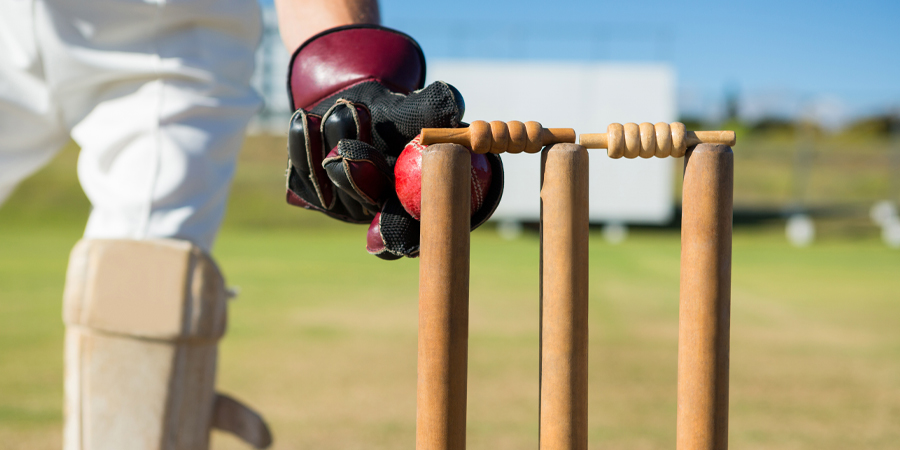
Wicket-keepers should wear specially designed gloves as a part of their cricket safety gear. They fall under specific guidelines in professional and international cricket, but in general, they are padded and include webbing between the thumb and index fingers to maximise on protection by reducing the impact of the cricket ball as it reaches the hand.Wicket-keeper’s gloves for the wicket-keeper usually include webbing between the thumb and index fingers.
Abdominal Guard or Cup with Jockstrap
Members of men’s cricket teams may choose to wear an abdominal guard, also called a box or protective cup. Batters, in particular, are at risk of any area of their body being hit by the ball with force. In high-level cricket, an abdominal guard is considered an important piece of cricket safety equipment to protect the groin area. They are usually constructed from a high-density plastic with a padded edge and need to be secured using a jock strap to keep it in place to protect sensitive areas from the ball.
Taping and Strapping
The use of taping and strapping techniques are common across multiple sports disciplines and can be an essential protective measure used in cricket safety to protect players from injury or prevent further damage to healing areas. We cover everything you need to know about sports tapes and their uses on our blog.
Whether a cricket player uses zinc oxide tape or a cohesive bandage to support a wrist injury, or kinesio tape to manage an overuse injury in their shoulder, the ECB stipulates that crickets can only wear white tape during professional matches. This includes all forms of bandages, strapping, taping and supports.
Get in Touch
- Professor John Ryan — Abdominal Injuries in Sport — Injury Rehab Network
- Dr Rebecca Robinson — Exercise, Medicine and Cancer — Injury Rehab Network
- Dr David White — Exercise Induced Leg Pain — Injury Rehab Network
- Professor Joideep Phadnis – Treatment and Management of Elbow Injuries – Injury Rehab Network
- 2026 Injury Rehab Network Events
- Professor Robert Galloway – Reducing Medical Errors – Injury Rehab Network
- Steven Corbett – Management and Treatment of Shoulder Injuries in Sport – Injury Rehab Network
- Ali Emery – Sport Rehab & Medical Provision in UK Ice Hockey – Injury Rehab Network
- Dr Josh Berkowitz – Haematology in Sports Medicine – Injury Rehab Network
- Dr John Rogers – Bone Stress Injuries – Injury Rehab Network
- Dr Jon Houghton – Tendon Injuries – Injury Rehab Network
- Dr Andrew Harrison – Fracture Management – Injury Rehab Network
- Nick Metcalfe – Hamstring injuries: Lumbar spine and Pelvis considerations – Injury Rehab Network
- Nick Worth – The Medico-Legal Field in Elite Football/ Sports – Injury Rehab Network
- Dr Nicola Keay – Health and Hormones in the Master’s Athlete Age Group – Injury Rehab Network
- Female Athlete Health – Injury Rehab Network
- Dr Geoff Davies – Behind the Scenes with the WRU and British & Irish Lions Team Doctor – Injury Rehab Network
- Douglas Hammond – Facial Injuries in Sport – Injury rehab Network
- 2025 Injury Rehab Network Events
- Claire Robertson – Patellofemoral Update – Injury Rehab Network
- Colin Lewin – Soft Skills in Professional Sport – Injury Rehab Network
- Des Ryan – Youth Athletic Development – Injury Rehab Network
- Dr Carly McKay – Injury prevention in rugby and football: are we making any progress? – Injury Rehab Network
- Micki Cuppett – Clinical Pearls to Enhance Your Medical Examination Skills – Injury Rehab Network
- Dr. Ian Beasley – Ex-footballers Healthcare – Injury Rehab Network
- Siobhan O’Donovan — Busting Booby Traps — Injury Rehab Network
- Angela Jackson — Integrating Neurocognitive Rehab in to Return to Sport Protocols — Injury Rehab Network
- Dr Andrew Shafik — Working as a Doctor in English Football — Injury Rehab Network
- Dr Nicola Keay — Relative Energy Deficiency in Sport (REDs) — Injury Rehab Network
- Ian Hunt – Modern Management of Chest, Rib and Sternal Injuries in the Elite Athlete – Injury Rehab Network
- Dr Amit Mistry – Mental Health Challenges in Elite Sport – Injury Rehab Network
- Head Injuries and Sport
- Gerard Greene – Male Athletic Pelvic Health – Injury Rehab Network
- Geraint Griffiths – The Prevention of and Rehabilitation from Visually Related Sporting Morbidity – Injury Rehab Network
- Professor David Lloyd – Surgery for Groin Pain – The Lloyd Release Procedure – Injury Rehab Network Event
- 2024 Injury Rehab Network Events
- Jonathan Bell FRCS (ORTH) – Meniscus Tears and other Complex Injuries of the Knee – Injury Rehab Network
- Professor Rowena Johnson – Imaging of Groin and Hip Pain in Athletes – Injury Rehab Network
- Prehab & Rehab in Elite/ Professional Football – Injury Rehab Network Event
- Steve Phillips – Calf Muscle Injuries – Injury Rehab Network Event
- Grant Downie OBE – Maximising your Impact in the VUCA World of Professional Football – Injury Rehab Network Event
- Manchester FA and Sterosport Partnership Aims for Manchester to be the Safest Place to Play
- Dr Marwan Al-Dawoud – Concussion in Rugby – Injury Rehab Network Event
- How to Strap Your Ankle
- John Dickinson – Optimising Care for Asthma and Disordered Breathing Patterns in Athletes – Injury Rehab Network Event
- How to Apply Sports Tape to Your Knee
- Dr Wayne Diesel – My Long Walk to Retirement – Injury Rehab Network Event
- Rugby Union and Rugby League Mandatory Medical Equipment : 2023 Update and What to Buy
- Leanne Simoncelli – Optimising and Individualising ACLR Rehabilitation – Injury Rehab Network Event
- Lessons from Working in Elite Football – Injury Rehab Network February 2023
- The Most Common Hockey Injuries and How to Prevent Them
- How to Treat Common Hockey Injuries
- Andy Williams – ACL Reconstruction in Professional Athletes – A Surgeon’s Perspective – Injury Rehab Network Event
- Steve Simbler MRPharm.S – Medicines Management in Sport – Injury Rehab Network Event
- Hockey and Ice Hockey Injury Statistics
- Essential Hockey Safety Equipment
- How to Perform a Risk Assessment for Sports: The Ultimate Guide (Including Examples and Template)
- How to Treat Common Cycling Injuries
- Preventing Common Cycling Injuries
- Professor Iain Hutchison – Sporting Facial Injuries and Treatment Delivering Speedy Recovery – Injury Rehab Network Event
- Hockey First Aid Kit Contents List
- Hockey First Aid Kits
- How to Treat Common Netball Injuries
- Gary Bloom – Why do Players Suddenly Experience a Catastrophic Loss of Form – Injury Rehab Network Event
- Dr Monna Arvinen-Barrow – Rehabilitation of the Biopsychosocial Athlete – Injury Rehab Network Event
- How Can Common Netball Injuries be Prevented?
- First Aid Qualifications for Netball
- Netball First Aid Kits
- Netball First Aid Kit Contents List
- 2023 Injury Rehab Network Events
- Essential Safety Equipment for Cricketers
- Fiona Rosamond – Podiatry in Football – Injury Rehab Network Event
- Essential First Aid Skills for Cricket Coaches
- Common Cricket Injuries and How to Avoid Them
- Dr Carl Todd – Osteopathy in Football – Injury Rehab Network Event
- Dr Andrew Newton – Grass Roots Paediatric Sports Medical Issues – Injury Rehab Network
- Tom Parry – Nutrition in Premier League Football – Injury Rehab Network Event
- Cricket First Aid Kit Contents List
- A Guide to Cricket First Aid Kits
- Treatment and Prevention of Cauliflower Ear
- How to Treat Common Rugby Injuries
- Rugby First Aid Courses: Everything you Need to Know
- The Definitive Rugby First Aid Kit Contents List
- Taping Your Wrists for Football: Why and How
- Effective Prevention of Injuries in Football
- How to Treat Common Football Injuries
- Rugby First Aid Kits: Complete Guidance for Rugby Union and Rugby League
- Knee Injuries in Professional Football and Elite Sport – Injury Rehab Network Event
- Steve Kemp – Lateral Ankle Injuries in Professional Football – Injury Rehab Network Event
- Michael Blackie BDS – Oral Health Impact on Performance in Elite Sport
- The Best Football First Aid Courses Recommended by Experts – Courses your coaches should be taking and why
- Football First Aid Kit Contents List – What should yours contain to keep your football players safe?
- Boxing First Aid Kit Contents List
- Preventing and Treating Shin Splints
- 8 Essential Safety Tips for Boxing
- How to Apply Boxing Hand and Wrist Wraps
- Essential Boxing Safety Equipment
- How to Spot and Treat an ACL Tear
- How to Treat a Pulled Hamstring
- How to Treat a Groin Strain
- How to Treat a Sprained Ankle
- Essential Parts of Any Sports First Aid Kit
- Recommended First Aid Courses for Sport
- Essential First Aid Skills for Cyclists
- Cycling First Aid Kit Contents List
- Cycling First Aid Kits – A Complete Guide
- Mike Healy – Pitchside Care CPD – Injury Rehab Network Event
- David Fevre – Pitch Side Injuries: No Time to be Injured – Injury Rehab Network Event
- Diane Ryding – Physiotherapy in an Elite Football Academy: Beyond injuries – Injury Rehab Network Event
- The Strain of Christmas – A Busy Time for Physio’s
- Dr Imtiaz Ahmad: Football Club Doctor – An Evolving Role – Injury Rehab Network Event
- Diane Ryding & David Fevre at the Injury Rehab Network
- GB Maxibasketball and Sterosport Partnership Announcement
- Sterosport and FMPA Partnership Announcement
- 2022 Injury Rehab Network Events
- Dr Ian Horsley, Team GB Deputy Chief Physio, at the Injury Rehab Network
- Sign Up: Sports Taping and Kinesiology Taping Online Courses
- Dr Barry Monk – Sunshine and Skin Cancer – Injury Rehab Network Event
- Steve Miller – Calf Injury Rehabilitation – Injury Rehab Network Event
- Angela Jackson – Managing The Overloaded Younger Athlete – Injury Rehab Network Event
- Shoulder Injuries in Sport – Expert Q&A Injury Rehab Network Event
- Professor Bill Ribbans – The Athletic Ankle. When do Lax Ligaments Need Surgery? – Injury Rehab Network
- Diane Ryding – Tackling Paediatric Injuries – Injury Rehab Network
- What are the most common sports injuries? Top Ten (Part 2)
- What are the most common sports injuries? Top Ten (Part 1)
- The Athletes Shoulder – The Surgeons Perspective – Injury Rehab Network Event
- Dr Claire Minshull – Getting Efficacious About Rehab and Conditioning – Injury Rehab Network Event
- How to Conduct a Risk Assessment for the Return to Sport
- Return to sport: A complete guide on what to expect
- Types of Sports Tape and their Uses
- Gary Lewin, Expert Football Physiotherapist – Rehabilitation on the Road in Elite Sport – Injury Rehab Network Event
- Josh Quigley at the Injury Rehab Network
- 2021 Injury Rehab Network Events
- The Importance of the Partnership Between a Manager and a Physio
- Paul Lubas – The Pitch-Side Paramedic
- Returning to Work as a Sports Therapist After Coronavirus
- Hyde United FC and Sterosport Partnership Announcement
- Chorley FC and Sterosport Partnership Announcement
- British American Football and Sterosport Partnership Announcement
- Dave Fevre – Expert Chartered Sports Physiotherapist – Injury Rehab Network Event
- Does Kinesiology Tape Work?
- Here To Help When You Return To Sport
- Mike James at the Injury Rehab Network
- Hannah Dines Shares Details About Her Paralympic Cycling Programme
- Hannah Dines – Hills Thrills and No Chills on the Road to Tokyo 2020
- Dave Fevre at the Injury Rehab Network
- Hannah Dines – When an Athlete Switches Off
- Hannah Dines – Life Balance – How Friends Are Key to Elite Success
- University of Salford Sports Taping Courses
- Hannah Dines – Love Island, Laundry, Admin and Repeat – A Day in the Life of a Paralympian
- Injured? Here’s How Nutrition Can Help
- Sterosport – A New Approach to Sports Injuries
- Hannah Dines – Terminating Injury
- Injury Rehab Network NW Gets off to a Flying Start