


Simon Shepard — The Challenges of Cricket — Injury Rehab Network
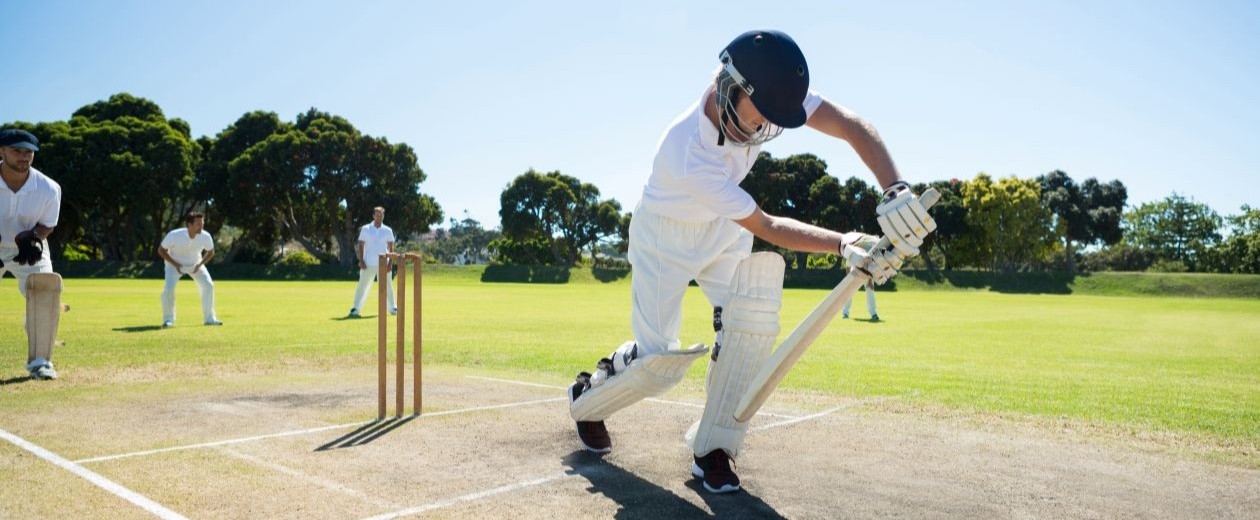
The latest Injury Rehab Network event, delivered in partnership between BASRaT and Steroplast Healthcare, welcomed Simon Shepard for a fascinating session exploring the clinical, professional and practical challenges of working in cricket.
Simon drew on his extensive experience in sports medicine in cricket, including 36 seasons working at Lord’s Cricket Ground, to give attendees an insight into how the sport has changed, the injuries clinicians are likely to encounter, and the evolving role of the therapist within modern cricket environments.
The online event took place on the evening of Wednesday 8th July, with 170 practitioners joining from across the sports healthcare community. The recording is available to watch online here.

Simon Shepard – Chartered Physiotherapist
Simon Shepard is a Chartered Physiotherapist who heads up the medical department at Lord’s Cricket Ground. He has been involved in the sport for over three decades and has additionally worked in basketball and badminton. He has an interest in how technology can be integrated into clinical practice to facilitate better evaluation, informed decision-making, and ultimately, better care.
The Challenges of Cricket
Cricket is often viewed as a traditional and relatively gentle sport, associated with long days, a slower pace and the familiar image of bat and ball in the summer. However, Simon quickly challenged that perception by highlighting the significant physical demands and clinical risks that exist across the game.
The session opened with a reflection on how much the sport has changed since Simon first started working in cricket in the early 1990s. What was once a relatively amateur environment, often with only a physiotherapist attached to a team, has developed into a highly professional environment with multi-disciplinary teams including doctors, therapists, nutritionists, psychologists, S&C coaches and wider support staff all contributing to player performance and welfare.
Alongside this professionalisation, the demands on players have also increased. Modern cricket now includes more formats, more travel, more franchise opportunities, greater media scrutiny and a higher expectation for players to perform repeatedly across different environments.

Acute Injuries and First Aid in Cricket
One of Simon’s key messages was the importance of first aid and emergency/ immediate care competence for anyone working in cricket.
Although cricket can appear slow-paced, the potential for acute trauma is significant. Players may be hit by the ball, collide with each other, dive into the ground, sustain hand and finger injuries, or experience head and neck trauma during play.
Simon discussed examples of:
- Head impacts and concussion assessment
- Finger dislocations and hand trauma
- Cervical spine concerns following diving injuries
- Player collisions
- The changing approach to acute decision-making and player safety
A clear message from this part of the session was that practitioners working in cricket must be confident first responders. Good acute care, appropriate escalation and sound professional judgement are essential.
Common Injury Patterns in Cricket
Simon then moved into the injury patterns commonly seen across the sport, using injury surveillance data and his own experience to highlight key areas of concern.
The session covered a wide range of cricket-related injuries, including:
- Lumbar spine injuries
- Pars stress responses and stress fractures
- Hamstring injuries
- Abdominal side strains
- Posterior ankle impingement
- Medial tibial stress issues
- Hand and finger injuries
- Concussion and head injuries
Simon placed particular emphasis on spinal injuries in bowlers. Bowling places high compressive and rotational forces through the body, with fast bowlers especially vulnerable to pars stress responses and stress fractures. He explained that unilateral low back pain, local tenderness and pain on single-leg extension in a fast bowler should raise suspicion of a stress response until proven otherwise.
He also highlighted that these injuries can result in long periods away from play, making early recognition, appropriate referral and careful management essential.

Load, Recovery and the Whole Athlete
A major theme of the webinar was that injury risk in cricket cannot be understood by load alone.
Simon encouraged attendees to think beyond simple measures such as overs bowled, minutes played or training volume. While these metrics are useful, they only provide part of the picture. Environmental load, heat, travel, technical demands, psychological stress, lifestyle factors, recovery quality and wider life pressures can all influence how an athlete responds to cricket-specific demands.
He described the importance of understanding whether an athlete is truly recovering, not just resting. The session included discussion of heart rate variability, sleep quality, late meals, alcohol, gaming before bed and the impact of lifestyle choices on recovery or the potential to lead to under-recovery.
A key takeaway was that therapists should consider both the physical and psychosocial context of the athlete. In cricket, where practitioners may spend long periods of time with players, the therapist is often in a unique position to notice changes, build trust and understand what may be influencing performance, injury risk and recovery.
Technique, Growth and Youth Cricket
The session also explored the importance of technique, particularly in fast bowlers.
Simon used bowling examples to show how increased strength can sometimes mask inefficient movement. He stressed that power should not come at the expense of technique, especially in adolescent athletes. Changes in body shape, growth spurts, strength development and movement patterns can all affect how force is transferred through the body.
For academy and youth players, load management can be especially challenging. Young cricketers may be playing for school, club, county and other representative teams at the same time. This makes accurate reporting and communication between players, parents, coaches and support staff vital.
Simon’s message was clear: there is a lot of cricket to be played in a young athlete’s life, and it does not all need to be played at the age of 15.
The Role of the Therapist in Cricket
Beyond injury assessment and rehabilitation, Simon spoke about the broader role of sports medicine pracitioners within a cricket environment.
Therapists may act as a link between player, coach, management team and medical colleagues. They may be trusted with sensitive information and often need to balance player welfare, confidentiality, team demands and professional boundaries.
Simon highlighted the importance of:
- Building trust with players
- Maintaining appropriate boundaries
- Communicating effectively with coaches and management
- Recognising when to stand firm clinically
- Supporting players during longer-term injuries
- Considering the mental and social impact of time away from play
He also reminded attendees that working in cricket can be highly rewarding but can involve long hours. Practitioners need to think about their own support systems and recovery, as an energised and well-supported practitioner is better placed to support the athletes in their care.
Q&A Highlights
The webinar concluded with a Q&A session covering a wide range of issues relevant to clinicians working in cricket and wider sport.
Topics included:
- The relationship between RED-S, recovery and injury risk
- Underreported injuries in adult, women’s and academy cricket
- Finger dislocations and the risks of on-field relocation
- Load management in academy players
- How recent graduates can gain experience in cricket
- Heat management and acclimatisation
- MRI referral for suspected pars stress responses
- Managing pars fractures in young players
- Weekly bowling loads and recovery strategies
- Managing player and coach expectations around return to play
- Concussion rehabilitation and the need to assess function, not just symptoms
One of the strongest clinical messages from the Q&A was the importance of early referral where a young fast bowler presents with suspicious low back symptoms. Simon emphasised that early imaging can identify stress responses before they progress, potentially reducing time loss and improving outcomes.
The discussion also returned to concussion, with Simon noting that head injury management should not simply be about counting days and checking whether symptoms have resolved. Functional rehabilitation should consider the eyes, neck and other systems needed to optimise performance when returning to play.
Thank you to Simon Shepard for sharing his time, experience and insight, and to everyone who joined live and contributed questions during the session.
Further information and follow Simon Shepard
For more information please see Optima Life.
Presentation Recording
The recording of Simon’s presentation is available to watch here.
2026 Injury Rehab Network events
You can join us for our next Injury Rehab Network event on 21st September at 7pm, where Professor David Bartlett, Physiotherapist will be discussing concussion and the latest evidence base for management and rehabilitation.
Find out about and register your interest for all the Injury Rehab Network events with BASRaT planned for 2026.
Please enter your details into the form below, along with any questions or comments, and a member of our team will be happy to provide you with more information:
Get in Touch


Related Insights
 Sport
Sport
Sarah Perris — HerACLJourney — Injury Rehab Network
On Wednesday, 2 September, the Injury Rehab Network welcomed Sarah Perris, Founder of HerACLJourney, alongside...
 Sport
Sport
Helena Walker — Working in Academy Rugby Union: The Highs, Lows & Everything in Between — Injury Rehab Network
The latest Injury Rehab Network event featured a highly practical and honest presentation from Helena...
 Sport
Sport
Prof James Hull — Breathing to Win — Injury Rehab Network
In our latest Injury Rehab Network event hosted by Sterosport and BASRaT, we had the...